Victorian Flat Move: Sutton High Street Success Story
Moving out of a Victorian flat on Sutton High Street sounds simple enough at first glance. Then you meet the narrow stairwell, the awkward corners, the heavy wardrobe that seemed lighter in the old place, and the faint sense that the hallway was designed by someone who never had to carry a sofa upstairs. That is exactly why a Victorian Flat Move: Sutton High Street Success Story is worth unpacking properly. It is not just about getting boxes from A to B. It is about timing, access, protection of older features, and making a busy local move feel calm rather than chaotic.
In this guide, we will walk through what makes these moves different, how the process works in real life, and where people usually save time, money, and stress. If you are comparing moving options, looking for practical local insight, or trying to avoid the usual pitfalls, you are in the right place. Truth be told, the small details make all the difference here.
Table of Contents
- Why Victorian Flat Move: Sutton High Street Success Story Matters
- How Victorian Flat Move: Sutton High Street Success Story Works
- Key Benefits and Practical Advantages
- Who This Is For and When It Makes Sense
- Step-by-Step Guidance
- Expert Tips for Better Results
- Common Mistakes to Avoid
- Tools, Resources and Recommendations
- Law, Compliance, Standards, or Best Practice
- Options, Methods, or Comparison Table
- Case Study or Real-World Example
- Practical Checklist
- Conclusion
- Frequently Asked Questions
Why Victorian Flat Move: Sutton High Street Success Story Matters
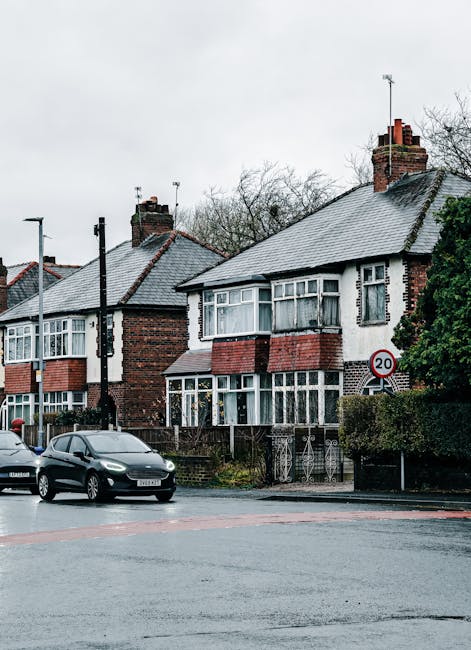
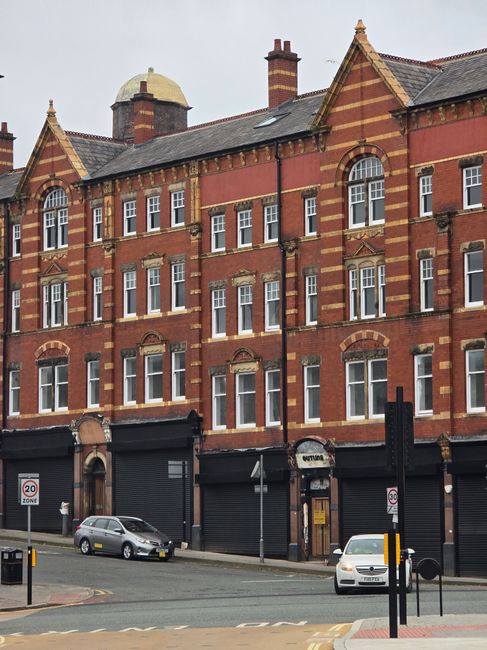
Victorian flats bring charm, character, and a fair bit of moving-day complexity. High ceilings look lovely on a viewing, but they can also mean more awkward lifting. Original staircases often feel narrower than you remember. Corners can be tight. Front doors may open directly onto a busy pavement, which means loading has to be managed carefully, especially on a stretch like Sutton High Street where foot traffic and vehicle movement can get lively.
That matters because a move like this is rarely won by brute force alone. It is won by preparation. If you are moving from a period flat, the main risks are usually not dramatic, but they are annoying: scraped walls, damaged bannisters, delays because the van cannot stop where you hoped, or items that simply will not fit through the route you planned. A good move turns those friction points into routine steps.
There is also the emotional side, which people often underestimate. Victorian homes can hold a lot of life in them. When you are packing up books, mirrors, and old furniture, it can feel more personal than a standard flat move. On Sutton High Street, that feeling can be amplified by the pace outside: buses, shoppers, delivery vans, and the usual urban bustle. A solid plan gives you space to think. And breathe, which helps.
In our experience, the best moves in this setting do two things well: they respect the building and they respect the timetable. That is the real story behind the success story.
How Victorian Flat Move: Sutton High Street Success Story Works
A successful move from a Victorian flat near Sutton High Street usually follows a simple but disciplined sequence. First, you assess the access. Then you decide what can be dismantled, what needs special handling, and what should travel in what order. After that, you plan the vehicle position, the carrying route, and the loading sequence so nobody is doubling back with a wardrobe that should have gone out first. It sounds obvious. It rarely is on the day.
The key is to treat the move as a route problem as much as a packing problem. For example, a heavy chest of drawers may need to go out before softer, more flexible items, because the corridor width changes once boxes and bags start stacking up. A mattress might be easy enough, but the bed frame is another matter. Victorian layouts often reward the person who thinks one step ahead.
Local conditions also matter. Sutton High Street can be busy at different times of day, and a move that seems straightforward at 10am may feel very different at school-run or commuter times. That is why timing is part of the method, not a side issue. If a vehicle cannot wait long, or if loading space is limited, the whole day needs to be structured around that reality.
To make the process work well, most people benefit from a combination of practical packing, clear labelling, and the right moving support. If you need help with heavier items or larger household contents, services such as man and van support or a larger vehicle from the moving truck options can be the difference between a smooth handover and a stressful scramble.
Key Benefits and Practical Advantages
There are a few clear benefits to handling a Victorian flat move properly, and they are not just about convenience. They directly reduce risk and make the day less exhausting. Let's face it, nobody wants to spend moving day apologising to neighbours while carrying a lamp base sideways through a staircase that was clearly designed in another century.
- Less damage to the property. Careful padding, route planning, and the right carry order help protect original features and your deposit.
- Better time control. A structured loading plan keeps the move moving, which matters on a busy road.
- Lower physical strain. Older flats often involve stairs, awkward turns, and repeated carries. Professional support and good technique make a real difference.
- Cleaner unpacking. When boxes are labelled properly, the new flat becomes liveable faster. No one wants to hunt for kettles, chargers, or bedding at 9pm.
- Fewer access surprises. Planning around parking, narrow entrances, and shared hallways prevents last-minute improvisation.
One underrated advantage is peace of mind. If you know the big items are managed and the fragile things are wrapped sensibly, your head is free to focus on the next step. That sounds small, but it is huge on moving day.
There is also the local advantage. Moving in and around Sutton means you can build your plan around real street conditions, not just a generic house-move checklist. That usually results in fewer delays, especially if you are working with local knowledge and choosing the right level of help for the property type.
Who This Is For and When It Makes Sense
This kind of move makes sense for a few different people. First, there are tenants and homeowners in Victorian conversion flats who want a carefully managed move with minimal disruption. Then there are people on Sutton High Street or nearby streets who have limited parking access and need a more strategic approach. And finally, there are anyone moving on a tighter schedule who cannot afford a lot of trial and error.
You may especially need this kind of planning if you:
- live on an upper floor with narrow stairs;
- have large furniture that was awkward to get in, let alone out;
- need to avoid damaging period features or freshly decorated walls;
- have a short loading window or a busy handover time;
- are moving with children, pets, or a lot of fragile items;
- are downsizing and need decluttering help before the move.
If you are not sure whether your move is "simple enough" for a standard van, ask yourself this: can two people carry every major item safely without blocking the stairwell or the pavement? If the answer is no, you probably need a more deliberate plan. Sometimes that means a home moves service. Sometimes it means extra packing help or a vehicle that fits the street better.
In practical terms, the people who benefit most are those who want less drama and more control. Not glamorous, maybe. Very useful, definitely.
Step-by-Step Guidance
Here is a sensible way to approach a Victorian flat move in Sutton High Street without making it harder than it needs to be.
- Survey the access first. Check stairs, landings, door widths, and where a van can reasonably stop. Take photos if needed. A quick look now saves a lot of guesswork later.
- Decide what gets dismantled. Beds, tables, shelving, and some wardrobes are often easier to move in parts. If an item has to be turned three times to leave the flat, it probably needs dismantling.
- Declutter before packing. Old cables, duplicate kitchenware, and "just in case" items can quietly eat space. Decluttering first means fewer boxes and less lifting. It really does add up.
- Pack by room and priority. Keep essentials separate. Use clear labels. Put the things you need first in a single "day one" box so you are not opening five boxes looking for the kettle.
- Protect walls and furniture. Use blankets, corner protectors, and sturdy wrapping for mirrors or glass. Period properties deserve a bit of care, honestly.
- Plan the loading order. Put heavier, stable items in first and soft or fragile items where they will not be crushed. This is where a bit of method saves a lot of swearing.
- Time the move around local traffic. Avoid the most chaotic windows where possible. If access is tight, a slightly earlier start can make the entire day easier.
- Do a final sweep. Check cupboards, loft areas, under beds, and charging points. That last walk-through catches the small things that become big annoyances later.
If you need help with packing or want the move to feel less like a military operation, the packing and unpacking services option can take a lot of pressure off. And if the route is especially tight, a smaller vehicle may be more sensible than a larger one. It is not about being clever for the sake of it; it is about matching the tool to the job.
Expert Tips for Better Results
There are a few practical tricks that make a big difference in older flats. None of them are magical. They are just the kind of things that experienced movers notice because they have seen what goes wrong when people skip them.
Use smaller boxes for heavy items. Books, crockery, and tools belong in compact boxes. Larger boxes are fine for linens, cushions, and lighter household bits. A huge box of books is a shoulder injury waiting to happen. Not ideal.
Measure awkward furniture before moving day. If a sofa fits into the room but not around the landing corner, you need a plan before lifting starts. Measure both the item and the narrowest point in the route.
Label the side, not just the top. Boxes stacked in a van are not always readable from above. Side labels save time when unloading into the right rooms.
Keep screws and fixings together. Use small bags taped to the dismantled furniture or keep them in a clearly marked container. Nothing kills momentum like searching for a tiny Allen key at the exact wrong moment.
Protect the building as well as the furniture. Victorian hallways, handrails, and doors can mark easily. Use coverings where needed, especially on tighter turns and landing edges.
Be realistic about lifting. Two people can manage a lot, but not everything safely. For heavy or awkward items, it is worth considering outside help rather than pushing your luck.
One simple rule we often come back to: if an item makes you pause and stare at the staircase for five seconds too long, that is a sign to slow down and rethink the route.
Common Mistakes to Avoid
Most moving problems are avoidable. They usually happen because people are rushing or assuming a Victorian flat will behave like a modern boxy apartment. It won't. That old charm comes with old-house logic.
- Underestimating access. A staircase may look wide enough until you try to turn a mattress through it. Measure properly.
- Packing too late. Last-minute packing leads to poor labelling, broken items, and extra stress. It also means you pack everything, including junk you meant to throw away.
- Leaving heavy lifts to the end. By then everyone is tired, the hallway is cluttered, and accidents happen more easily.
- Ignoring parking constraints. On Sutton High Street, vehicle placement can shape the whole day. A bad stop means more carrying distance and more frustration.
- Mixing essentials with non-essentials. If you cannot find bedding, chargers, or basic kitchen items that first night, the move feels twice as hard.
- Not checking building rules. Shared entrances, management requirements, or neighbour considerations can affect timing and access.
There is also the classic mistake of assuming "we'll just make it work." Sometimes that works. Sometimes it means four people standing on a landing with a wardrobe that has become temporarily symbolic. Better to plan than improvise badly.
Tools, Resources and Recommendations
You do not need fancy equipment to move well, but a few practical tools can make a real difference. The right kit reduces strain and protects both the property and your belongings.
| Item or Resource | Why It Helps | Best Used For |
|---|---|---|
| Strong boxes in mixed sizes | Keeps heavy and light items packed safely | Books, kitchenware, clothing, loose household goods |
| Furniture blankets | Reduces scuffs and corner damage | Wooden furniture, mirrors, appliances |
| Tape and labels | Makes unpacking much faster | Room-by-room organisation |
| Ratchet straps or ties | Helps secure items in transit | Loads with multiple pieces or unstable shapes |
| Dismantling tools | Speeds up furniture breakdown and reassembly | Beds, tables, shelving |
| Local moving support | Useful when access is tight or the load is heavy | Victorian flats, upper floors, busy streets |
If you want a deeper read on local moving planning, the guides on moves near Sutton Station and St Nicholas and narrow-access removals and vehicle choices can help you think through access, timing, and vehicle size before the day arrives.
For broader local planning, the blog section is useful for comparing moving scenarios, especially if you are working out whether you need a van, extra lifting support, or a more structured household move.
Law, Compliance, Standards, or Best Practice
Moving home or flat in the UK does not usually involve complicated legal steps for the move itself, but there are still practical compliance points to respect. These are the kinds of things that keep a move smooth and help you avoid avoidable disputes or penalties.
Parking and loading: if you need space for a van on a public road, you should not assume stopping is fine just because it is convenient. Local restrictions, yellow lines, permit rules, and loading limits can apply. In Sutton, it is sensible to check the relevant parking and loading arrangements in advance rather than leaving it to chance. One rushed assumption can become a very expensive lesson.
Building and lease rules: if you live in a managed building or a conversion with shared access, there may be house rules about move times, lift protection, or booking procedures. These are not just bureaucracy for the sake of it. They protect the building and the neighbours.
Safe lifting practice: moving heavy objects is one of those jobs where "just one more lift" can be the mistake. Good practice means using proper grip, keeping loads manageable, avoiding twisting under weight, and getting help when an item is too awkward. If something feels unsafe, it probably is.
Waste and leftovers: after the move, you may need to deal with broken boxes, old furniture, or unwanted clutter. It is better to plan this than to leave a pile by the kerb and hope for the best. A helpful place to start is the guide on bulky waste during a Sutton move, which covers the practical side of clearing up after relocation.
If you are leaving a property in good order, cleaning matters too. A proper handover is not just polite; it can reduce friction with landlords, agents, or the next owner. A bit of care goes a long way.
Options, Methods, or Comparison Table
Different moves call for different levels of support. A small flat with easy access may not need the same setup as a top-floor Victorian conversion on a busy road. Here is a practical comparison to help you choose what feels sensible.
| Method | Best For | Pros | Watch Outs |
|---|---|---|---|
| DIY move | Very small loads, easy access, flexible timing | Low upfront cost, full control | High effort, more risk with stairs and damage |
| Man and van | Medium loads, local moves, limited parking time | Flexible, practical, usually cost-efficient | May not suit very large or very heavy items alone |
| Full removal support | Larger households, difficult access, fragile belongings | More hands, better coordination, less strain | Usually higher cost than a basic van option |
| Packing add-on | Busy households, time-poor movers, delicate items | Faster prep, better protection, clearer organisation | Extra planning and budget needed |
In many Sutton High Street situations, the middle ground is the sweet spot. A smaller, agile setup can be far more effective than a big van that blocks access or a DIY approach that turns into a long weekend of regrets.
There is no shame in choosing the easier route. Honestly, that is the smarter route more often than not.
Case Study or Real-World Example
Here is a realistic example of how a well-planned Victorian flat move can work. A couple in a top-floor period flat near Sutton High Street had a mix of standard furniture, a few fragile family pieces, and several large boxes of books. The staircase was narrow, the hallway had a tight turn near the landing, and the street outside was busy enough that parking had to be handled carefully.
Rather than waiting until moving day to discover problems, they measured the large items in advance and dismantled the bed frame, shelving, and one wardrobe. Boxes were labelled by room and priority, with essentials kept separate. They also arranged help for the heavier items, which reduced the need for repeated lifting on the stairs.
The result was not magical, just well organised. The van was loaded in the right order, fragile items were protected, and the unloading process at the new place was faster because the boxes had been packed logically. The biggest win, according to them, was not speed alone. It was the feeling that the day stayed under control. No panicked searching. No damaged mirror. No last-minute argument about where the kettle had gone. Which, let's be honest, is a moving-day victory in itself.
This kind of outcome is common when people respect the layout of a Victorian property and work with it rather than against it. That is the lesson. Plan the route, protect the building, and keep the sequence simple.
Practical Checklist
Use this checklist to keep your move on track. It is simple on purpose.
- Measure stairs, doors, and landings before moving day.
- Check parking or loading arrangements near Sutton High Street.
- Dismantle bulky furniture where needed.
- Pack heavy items in small boxes.
- Label every box clearly by room and priority.
- Keep essentials in a separate access-first box.
- Protect walls, floors, and furniture corners.
- Confirm who is helping with lifting and loading.
- Set aside a bin bag, cleaning kit, and basic tools.
- Do a final room-by-room sweep before leaving.
- Plan what happens to unwanted items after the move.
- Keep water, snacks, and chargers accessible for the day.
If you want more help planning the human side of the day, the guide on avoiding burnout during your next home move is a useful companion read. Moving is physical, yes, but it is also mental. Do not ignore that part.
Get a free quote today and see how much you can save.
Conclusion
A Victorian flat move on Sutton High Street succeeds when the details are respected: access, timing, packing, lifting, and local street conditions. Get those right and the day feels manageable. Skip them and even a short move can become oddly exhausting. That is the honest truth.
The good news is that most of the stress is preventable. With a clear plan, the right support, and a realistic view of what the building asks of you, a difficult-looking move can turn into a smooth one. Not perfect, perhaps. But calm, efficient, and much easier on everyone involved.
If you are preparing for a move like this, take it one step at a time. The staircase will not become wider, but your plan can get smarter. And that usually makes all the difference.
Frequently Asked Questions
What makes a Victorian flat move on Sutton High Street different from a standard flat move?
The main difference is the combination of older building layout and local street access. Victorian flats often have narrow stairs, tight corners, and less forgiving room shapes, while Sutton High Street can add parking and loading pressure. That mix means more planning is needed.
Do I need to dismantle furniture before moving from a Victorian flat?
Not always, but large or awkward items usually move more safely if they are dismantled. Beds, shelving, and some wardrobes are common examples. If an item barely fits on the way out, taking it apart is often the sensible option.
How can I protect walls and banisters during the move?
Use blankets, corner protection, and careful lifting technique. It also helps to clear the route before moving starts so people are not turning awkwardly around bags and boxes. A little padding goes a long way in older properties.
What is the best way to handle parking on Sutton High Street?
Plan parking or loading space before moving day and check for any restrictions that might affect stopping times. If the vehicle needs to stay close to the building, timing becomes even more important. Do not leave this to chance.
Is a man and van service enough for a Victorian flat move?
It can be, especially for smaller loads or local moves with straightforward packing. For heavier furniture, upper-floor access, or fragile items, you may need extra support or a bigger vehicle. The right choice depends on the building and the load, not just the distance.
How early should I start packing for this kind of move?
Earlier than you think. A few weeks is ideal for a fuller household move, but even a smaller flat benefits from early decluttering and staged packing. Leaving it all to the final couple of evenings tends to create chaos.
What should I pack first in a flat move?
Start with items you use least, such as seasonal things, spare bedding, books, and decor. Essentials like chargers, basic kitchen items, toiletries, and a change of clothes should stay separate. That way your first night is much easier.
Are there any compliance issues I should know about?
Yes, mainly around parking, loading, and any building rules for shared entrances or managed properties. You should also follow safe lifting practice and deal responsibly with waste or unwanted items. Those basics matter more than people often realise.
What should I do with items I do not want to take?
Sort them before the move so they do not travel unnecessarily. Depending on the item, they may be sold, donated, stored, or disposed of responsibly. If you have bulky waste, plan that step in advance rather than leaving it until the last minute.
Can I move a Victorian flat in one day?
Sometimes yes, especially for smaller homes or local moves with good access. But the day becomes much easier if packing, dismantling, and parking are already sorted. A one-day move is a lot more realistic when the groundwork has been done properly.
What is the biggest mistake people make with Victorian flat moves?
Underestimating access. People often focus on the number of boxes and forget the staircase, hallway width, and parking realities. In older flats, the route matters just as much as the load.
Where can I find more help planning a Sutton move?
You can explore the local guides on moving access, parking, timing, and packing to get a clearer picture of what your specific move may need. For many people, that extra context is what turns a stressful day into a well-managed one.