Carshalton Beeches Narrow Access Removals Best Vehicle Choices
If you are moving in Carshalton Beeches, the building itself can be only half the challenge. The real headache is often the access: tight front paths, narrow drives, shared entrances, awkward kerbs, parked cars, low branches, and that one staircase that seems to twist just to test your patience. Choosing the right vehicle is what keeps the day calm. Get it wrong and you are carrying furniture farther than you should, blocking the road, or making several unnecessary trips. Get it right and the move feels controlled, efficient, and far less stressful.
This guide on Carshalton Beeches narrow access removals best vehicle choices explains how to match the right van or truck to the property, what to avoid, and how to plan the move so access problems do not turn into moving-day problems. It is practical, local, and written for anyone who wants the job done without the usual scramble.
To be fair, there is no single "best" vehicle for every narrow-access move. The best choice depends on street width, parking, stair access, the amount of furniture, and how often you want to stop and reload. That is exactly why a bit of planning matters so much.
Why Carshalton Beeches narrow access removals best vehicle choices Matters
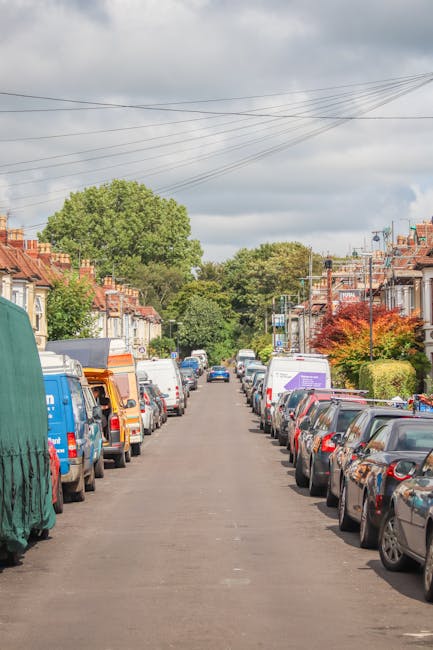
Narrow access changes the whole logic of a removal. On a wide, open road, a larger truck can reverse in, load quickly, and keep items sheltered in fewer trips. In a tighter residential street, that same truck may be awkward or even impossible to position safely. You can end up wasting time moving items from the doorway to the vehicle, then from the vehicle to the new home, and every extra step increases the chance of knocks, scuffs, or strained backs.
Carshalton Beeches has plenty of streets and homes where access needs a more careful approach. The best vehicle choice often comes down to balancing three things: size, manoeuvrability, and carrying capacity. A vehicle that is too large creates parking headaches. A vehicle that is too small creates endless runs. The sweet spot is usually somewhere in between, and it changes depending on the property.
Let's face it, most moving stress starts early. One blocked driveway or one badly judged turning circle can ripple through the whole day. That is why an experienced team does not just ask, "How much are you moving?" They ask, "Where will the vehicle sit, how will the items travel, and what is the shortest safe path from door to van?"
Expert summary: For narrow-access moves, the best vehicle is rarely the biggest one. It is the one that can park legally, turn safely, load efficiently, and protect your furniture while keeping the move moving.
How Carshalton Beeches narrow access removals best vehicle choices Works
The process usually begins with access assessment. That may happen from photos, a video call, a quick site visit, or a simple conversation about street layout and property type. You would be surprised how much a few good photos can reveal: the width of the road, the angle of the driveway, the number of steps, the presence of a dropped kerb, or whether a large truck could realistically fit without creating a nuisance.
From there, the vehicle choice is matched to the move. A man and van setup works well for smaller homes, partial moves, single bulky items, and streets where a compact vehicle is the safest option. For larger household moves, a medium-sized moving truck may still be appropriate if access allows. In some cases, a larger vehicle is parked further away and a smaller shuttle vehicle or careful hand-carry system is used for the final stretch.
That final stretch matters more than people expect. A narrow gate might force items to be carried one by one. A low ceiling in a hallway can affect how wardrobes are angled. A steep drive can change loading order because you want the heaviest items closest to the vehicle, not balanced awkwardly on a slope. Small details. Big difference.
If you are comparing service styles, it can help to look at options such as man and van removals for lighter, flexible moves or moving truck hire when the job is larger and the access is still manageable. For full-house relocations, home moving support can provide the broader planning that narrow-access jobs often need.
Key Benefits and Practical Advantages
The right vehicle does more than carry boxes. It improves the whole rhythm of the move. You load faster when the van is close to the door. You protect fragile items better when there is less dragging and more controlled lifting. And you reduce the kind of delays that make a moving day feel endless by lunchtime.
- Shorter carry distance: The vehicle can often be positioned closer to the property when the size is chosen correctly.
- Less risk of damage: Fewer tight corners, fewer awkward reversals, and fewer chances for furniture to catch on walls or railings.
- Better time control: Efficient loading means less standing around, less traffic obstruction, and fewer repeated trips.
- Lower stress for everyone: A well-matched vehicle helps the crew stay organised and calm, which is contagious in a good way.
- Safer handling: Moving a sofa through a narrow hallway is hard enough. Doing it after a long walk from a badly parked truck? Not ideal.
There is also a trust factor. When a crew arrives with a vehicle that clearly suits the street and the property, it sends a reassuring message: they have thought this through. That matters when you are already juggling keys, neighbours, children, pets, and the general chaos that comes with moving house. And yes, the kettle is always the last thing packed, somehow.
Who This Is For and When It Makes Sense
This kind of planning is most useful for homeowners and tenants in narrow residential streets, maisonettes, terraced houses, converted flats, and properties with limited parking. It also makes sense for people moving bulky furniture, delicate antiques, or multiple rooms of contents from homes where access is not straightforward.
It is especially relevant if your move includes any of the following:
- tight frontage with limited space to open van doors fully
- shared access paths or communal entrances
- steep or uneven driveways
- roads where larger vehicles struggle to turn
- high-value furniture that needs careful handling
- time-sensitive moves where delays would cause knock-on issues
Commercial clients may also need this kind of decision-making. For example, a small office relocation in a mixed-use area can benefit from a compact vehicle and staggered loading, while larger business moves may need more capacity and a more formal loading plan. If that sounds familiar, services such as commercial moves and office relocation services are often a better fit than a one-size-fits-all approach.
For furniture-only jobs, especially when one or two large items are the main challenge, a focused service like furniture pick-up can be surprisingly efficient. Truth be told, not every move needs a giant truck rolling into the street like it is delivering a stage set.
Step-by-Step Guidance
If you want the best vehicle choice for a narrow-access removal, start with the route, not the van. That sounds obvious, but people often reverse the order and regret it later.
- Measure the access realistically. Look at the road width, gate width, turning space, step height, and the distance from the legal parking point to the front door.
- List the largest items first. Sofas, wardrobes, bed frames, appliances, and mirrors influence vehicle size more than boxes do.
- Check loading conditions. Ask where the vehicle can stop, whether there is room for ramps, and if the road allows a safe temporary pause.
- Match vehicle type to access. Compact van for tight access, medium van for mixed loads, larger truck only where manoeuvring and parking are workable.
- Plan the carry route. Think through doors, stairs, corners, and floor protection before a single box is lifted.
- Load in the right order. Heaviest and most stable items go first, then lighter, more delicate items, then essentials you need at the end.
- Allow time for a final adjustment. Sometimes the first parking plan needs changing. That is normal. Better to adapt early than force a poor setup.
A good mover will usually consider whether a removal truck hire option is suitable for the load, or whether a smaller vehicle keeps the job safer and more practical. In narrow-access removals, practicality usually wins over bravado. Always.
If you are packing yourself, do not underestimate how much easier the day becomes when items are clearly labelled and grouped by room. A well-packed move is not glamorous, but it reduces chaos in a way that feels almost magical at 4:30 p.m.
Expert Tips for Better Results
There are a few habits that consistently make narrow-access moves smoother.
- Use photos, not guesses. A couple of wide-angle phone photos can help confirm whether a larger van will be a problem.
- Think in metres, not optimism. "It should fit" is not a plan. Measure the tight points.
- Protect the path. Floor runners, door protection, and corner guards help on narrow staircases and tight hallways.
- Keep bulky items separate. A sofa should not be squeezed in last behind fifty boxes and a lamp that wobbles when you look at it.
- Book help for lifting, not just driving. In a tight access move, the handling is as important as the vehicle itself.
One useful real-world habit: walk the route from the front door to the vehicle before loading starts. You can feel where the corner tightens, where the floor slopes, and where someone will need a pause. That five-minute walk often saves twenty minutes later. Maybe more.
Another one. If the access is especially tight, ask whether the team can split the load between a main vehicle and a smaller shuttle setup. It is not fancy, but it can be the difference between a smooth move and a street full of frustrated people glancing at their watches.
Common Mistakes to Avoid
The most common mistake is choosing a vehicle by volume alone. A large van might look efficient on paper, but if it cannot reach the property safely, the advantage disappears. The second common mistake is forgetting about unloading distance. A smaller vehicle parked closer can be faster than a bigger one parked awkwardly further away.
- Ignoring parking constraints: If the vehicle cannot stop safely, everything else becomes harder.
- Underestimating stair access: Tight staircases often slow the move more than the load size itself.
- Not protecting walls and doors: Narrow access means close contact. Close contact means scuffs unless you prepare properly.
- Overfilling the vehicle: A packed van is not always an efficient van if items need to be repacked halfway through.
- Assuming all routes are equal: The front entrance may be usable while the rear access is not, or vice versa.
One slightly unglamorous but important point: wet weather changes everything. A driveway that is fine in daylight can become slippery and awkward after a late afternoon shower. In the UK, that is not exactly rare. Good movers plan for that, even if the sky looks harmless at breakfast.
Tools, Resources and Recommendations
You do not need a toolbox full of specialist gear to make a narrow-access move work, but the right equipment helps a lot. The usual basics include furniture blankets, ratchet straps, trolley dollies, stair protectors, gloves with a decent grip, and door protection where needed.
For the planning side, a phone camera, a tape measure, and a quick written inventory are often enough to identify the right vehicle. If the move involves multiple rooms or a deadline, packing support can reduce pressure significantly. In many cases, packing and unpacking services are worth considering because they keep the move organised from the start rather than leaving you to play box Tetris on moving day.
If the job includes a single item or a few bulky pieces, a smaller collection service can be more sensible than a full removal vehicle. That is where a practical option like man with van support can be useful, especially when the property access is too tight for a large truck but too inconvenient for self-moving.
And if you want a general feel for the company behind the service, it can help to review the main site and learn more about the team on about us. For bookings and practical questions, use the site's contact us page. It is the straightforward route, and in moving terms, straightforward is underrated.
Law, Compliance, Standards, or Best Practice
For removals in the UK, the key compliance issues are usually practical rather than dramatic: road safety, parking, safe loading, manual handling, and avoiding obstruction. You do not want a vehicle parked in a way that creates risk for pedestrians, neighbours, or other road users. Nor do you want items loaded loosely in a way that could shift during transit.
Good practice also includes checking local parking arrangements in advance, respecting shared access areas, and keeping communication open with neighbours where necessary. If a moving truck needs more space than a typical car would, it is sensible to plan for that early rather than trying to improvise at the kerbside.
From a handling perspective, the usual expectations still apply: lift safely, distribute weight properly, secure furniture with straps, and avoid forcing oversized pieces through a route that simply is not suitable. Sometimes the safest move is the slower one. Not the most exciting answer, granted, but definitely the better one.
If you have any specific site restrictions, building rules, or access concerns, it is best to discuss them before move day so the crew can prepare the right vehicle and equipment. That is especially true for shared buildings, tight lanes, and homes with limited frontage.
Options, Methods, or Comparison Table
Below is a simple comparison to help you think through the vehicle choice. It is not a rigid rulebook, but it is a useful starting point.
| Vehicle or method | Best for | Strengths | Limitations |
|---|---|---|---|
| Compact van | Very tight streets, small flats, single-item moves | Easier to park, easier to turn, lower access risk | Lower capacity, more loading runs |
| Mid-size van | Mixed domestic moves with moderate access | Good balance of capacity and manoeuvrability | May still struggle on very restricted roads |
| Larger moving truck | Larger home moves where access is workable | Fewer trips, better for full loads | Harder to park and reverse in tight areas |
| Shuttle-style transfer | Very restricted properties and awkward streets | Combines distance coverage with final-stage flexibility | More handling, more planning needed |
In practice, the best choice is often a middle ground. A mid-size vehicle with careful loading can outperform a larger truck if the street is narrow and the drive is tight. That is why experienced removal teams usually ask a few extra questions before quoting. They are not being fussy; they are trying to stop the day from turning sideways.
Case Study or Real-World Example
Picture a two-bedroom flat in Carshalton Beeches with a narrow front path, a couple of steps to the entrance, and parking that only really suits one vehicle at a time. The customer has a sofa, a bed frame, a wardrobe, boxes of books, kitchenware, and a washing machine. At first glance, a large removal truck seems tempting because it promises fewer journeys.
But once the access is checked, the picture changes. The road is tight enough that the truck would sit awkwardly, forcing a long carry from the curb. The wiser choice is a medium van, loaded efficiently, with the heaviest items placed first and fragile items protected in the rear. The washing machine is moved with a sack truck, the sofa is taken through the front route carefully, and the smaller boxes are grouped by room to keep unloading simple.
The result? Fewer awkward manoeuvres, less strain, and no drama with neighbours needing to squeeze past. Nothing heroic. Just sensible. And honestly, that is what most people want on moving day.
There was a moment in the middle of the job when the hallway felt a bit too narrow for the wardrobe, and the crew paused rather than forcing it. That pause saved the wall paint, saved the mood, and probably saved twenty minutes of regret. Small decision, big outcome.
Practical Checklist
Use this checklist before confirming your vehicle choice.
- Measure the narrowest access point from the vehicle to the property
- Note any steps, slopes, gates, or low branches
- List the largest and heaviest items first
- Decide whether a compact, mid-size, or larger vehicle is realistic
- Check where the vehicle can legally and safely stop
- Plan how items will be protected during the carry route
- Confirm whether extra lifting equipment is needed
- Ask whether a shuttle transfer or mixed vehicle approach is smarter
- Prepare fragile items separately
- Keep essentials and documents easy to reach
Quick practical takeaway: If the route from the vehicle to the front door feels awkward in daylight, it will feel worse when everyone is tired and carrying boxes. Plan for the awkward version, not the optimistic one.
Conclusion
Choosing the best vehicle for a narrow-access removal in Carshalton Beeches is really about reducing friction. The right setup shortens carry distances, protects furniture, avoids parking headaches, and gives you a move that feels manageable rather than messy. In the end, the smartest choice is usually the one that fits the property as well as the furniture.
Whether you need a compact van for a tight street, a mid-size vehicle for a mixed household load, or a more carefully planned removal for a larger property, the key is to match the vehicle to the access, not just the inventory. That simple shift in thinking can change the whole experience.
Get a free quote today and see how much you can save.
If you are planning a move soon, take a moment to map the access properly, ask the awkward questions early, and choose the vehicle that makes the day easier. That little bit of preparation has a habit of paying you back when the boxes start moving.
Frequently Asked Questions
What is the best vehicle for narrow access removals in Carshalton Beeches?
The best vehicle is usually a compact or mid-size van, depending on the size of the load and how tight the access is. If the street is very restricted, manoeuvrability matters more than total capacity.
Is a large removal truck ever a good idea for narrow streets?
Sometimes, yes, but only if parking, turning, and unloading space are genuinely workable. A large truck can be efficient, but not if it creates a long carry or blocks the road.
How do I know which vehicle size I need?
Start by listing the largest furniture items and measuring the narrowest access points. If you are unsure, photos of the property frontage and access route can help a mover judge quickly.
What if my front door is fine but the road is too narrow?
Then the vehicle choice needs to focus on street access first. A smaller van parked legally and safely is usually better than a bigger vehicle that cannot position properly.
Can I use a man and van service for a full house move?
Yes, for smaller homes or partial moves it can work very well. For larger homes, you may need a more substantial setup or a larger vehicle with a more detailed moving plan.
How does parking affect the vehicle choice?
Parking is a major factor. If the vehicle cannot stop close to the property, the carry distance increases and the move becomes slower and riskier.
Do narrow-access removals take longer?
Usually they do, because loading and unloading need more care and the vehicle may need to be parked further away. Good planning helps reduce the delay.
Should I measure the access myself?
Yes, if you can. Even simple measurements of driveway width, gate width, and the carry distance to the door can make a big difference when choosing the vehicle.
What equipment helps with tight access moves?
Furniture blankets, straps, trolleys, door protection, and good packing materials are all useful. In some cases, stair protection and floor coverings are worth using too.
Are packing services useful for narrow-access removals?
Very often, yes. Well-packed boxes and clearly grouped items make loading quicker and reduce the chance of damage during tight manoeuvres.
What is the biggest mistake people make with narrow access moves?
Choosing a vehicle based on size alone. A van that is too large for the street can create more problems than it solves.
How far in advance should I plan the vehicle choice?
As early as possible. Even a short conversation a few days ahead can prevent a lot of stress on moving day, especially if access is limited or parking is tight.
Can furniture pick-up be handled with a smaller vehicle?
Often yes, especially if it is just one or two bulky items. A smaller collection vehicle can be the most practical option when access is awkward.
What should I do if I am still not sure?
Gather photos, measurements, and a simple inventory, then discuss the access with the mover before booking. A quick review usually makes the right choice obvious enough.